




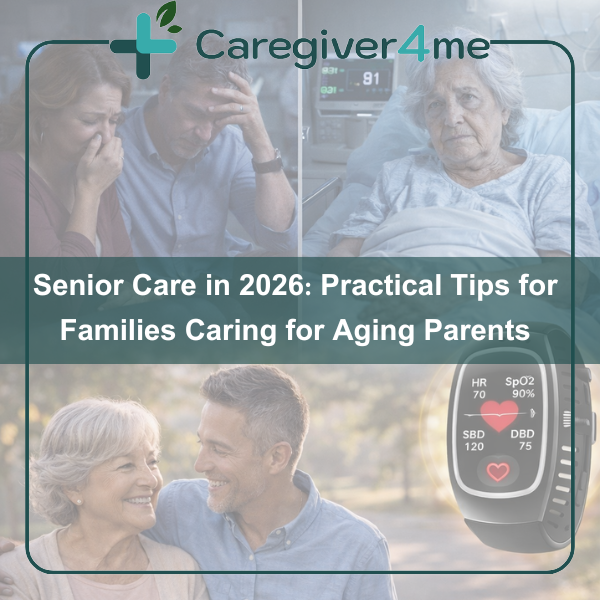
Caring for senior parents is one of life’s most meaningful and often, most complex responsibilities. Whether it’s ensuring their health, managing medications, or simply making sure they feel loved and connected, family caregivers play an essential role in supporting the independence and dignity of aging loved ones.
In Canada, more than 7.8 million people provide care for a senior family member, often balancing full-time jobs, children, and their own well-being (Statistics Canada, 2024). As lifespans grow longer and healthcare systems face strain, families are becoming the frontline of elder care and that comes with both challenges and opportunities.
At Caregiver4Me, we believe caring for elderly parents should never mean losing sight of your own peace of mind. With the right tools, knowledge, and support, families can help their loved ones age gracefully and safely right at home.
Understanding the Modern Realities of Senior Care
Today’s aging parents are living longer, often with multiple chronic conditions that require regular monitoring and lifestyle support. But beyond health, what seniors value most is independence, the ability to make choices, maintain routines, and feel at home in their own space.
A 2025 report from the National Institute on Aging found that over 90% of Canadians aged 65+ wish to remain in their own homes for as long as possible. Yet, many families struggle to balance this desire with concerns about falls, medication adherence, and social isolation, three of the biggest threats to safe aging.
Five Key Strategies to Support Aging Parents at Home
1. Promote Safety Without Sacrificing Independence
Small home modifications can make a big difference. Install grab bars in bathrooms, improve lighting in hallways, and remove loose rugs to prevent falls. Encourage your parent to keep essential items within reach and consider motion-sensor lighting for nighttime safety.
For families wanting added reassurance, discreet smartwatches with fall detection or location alerts can provide peace of mind, without feeling intrusive.
2. Stay Ahead of Health Issues with Preventive Care
Regular checkups, eye exams, and medication reviews are essential. Chronic diseases like hypertension, diabetes, and arthritis can progress silently if left unchecked.
Remote monitoring tools can help track vital signs from home, allowing caregivers to identify early warning signs before they escalate. This kind of proactive care can reduce hospitalizations by up to 25% (Frontiers in Public Health).
3. Support Emotional and Social Well-Being
Loneliness can be as dangerous as a chronic illness. The Canadian Mental Health Association reports that isolated seniors face a 60% higher risk of depression and poorer physical outcomes.
Encourage daily communication, whether through phone calls, family visits, or virtual hangouts. Many families also set up “tech time,” teaching their parents how to video chat or join online communities. A small investment in digital connection can make a world of difference.
4. Encourage Mobility and Routine
Movement is medicine. Gentle exercises such as walking, stretching, or chair yoga help maintain balance, strength, and mental clarity.
Programs like Seniors Active Living Centres (SALCs) across Canada offer virtual and in-person fitness classes tailored to older adults. Pair that with daily reminders, even simple smartwatch notifications, to stay active and hydrated throughout the day.
5. Plan Ahead–Together
Difficult conversations about health decisions, finances, or living arrangements can feel uncomfortable, but planning early reduces stress later.
Create a care roadmap outlining medical contacts, medication lists, and emergency plans. Involve your parent in every decision, it reinforces trust and ensures their wishes guide the journey.
The Heart of Care: Compassion Meets Confidence
Caring for an elderly parent isn’t just about logistics, it’s about emotional connection. It’s the reassurance of knowing they’re safe, respected, and loved. Technology can lend a helping hand, but the human touch will always matter most.
Whether it’s scheduling check-ins, upgrading home safety, or exploring gentle wearable support like fall-detection watches, families can create an environment where aging feels empowering, not limiting.
In 2025, caring for senior parents is evolving into a shared journey one where family, community, and smart tools come together to support dignity and independence. By blending empathy with modern resources, you can make your loved one’s home not just a safe place, but a thriving one.
At Caregiver4Me, we’re here to guide families through that journey because caring for parents isn’t just a duty; it’s a legacy of love.
Learn more about family caregiving and practical home safety at Caregiver4Me.ca.
References
- Statistics Canada. Caregiving in Canada: The 2024 Family Impact Report.
- National Institute on Aging. Aging in Place Trends 2025.
- Frontiers in Public Health. Remote Patient Monitoring and Reduced Hospitalizations.
- Canadian Mental Health Association. Loneliness and Mental Health in Seniors.
Government of Canada. Seniors Active Living Centres (SALCs) Program Overview.