




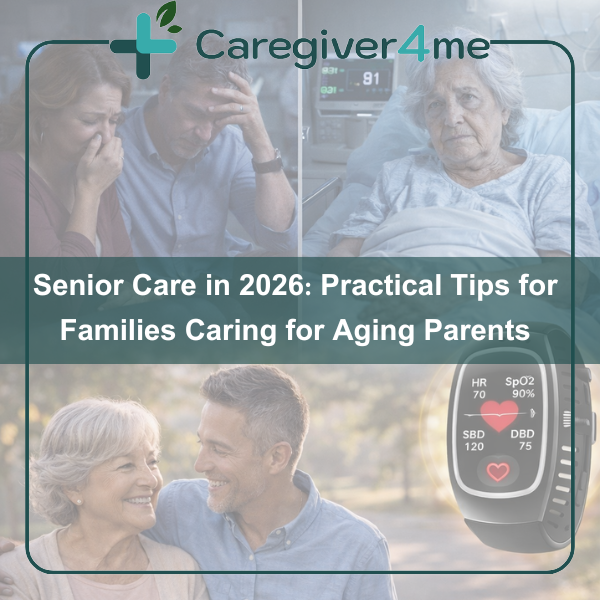
More seniors than ever are choosing to age in place, valuing independence and comfort in their own homes. But with that choice comes real challenges: mobility limitations, chronic health conditions, and the constant concern of falls or medical emergencies.
In Canada, falls alone account for over 424,000 emergency visits annually among seniors, with more than 94,000 hospitalizations (Fall Prevention Month, 2022). The average hospital stay due to a fall is nearly double that of other admissions (14.3 vs. 7.5 days) (CIHI). These realities highlight the crucial role of Home Care Devices for Seniors in preventing emergencies and improving quality of life.
At Caregiver4Me, we believe technology should empower independence. Today’s devices are more than gadgets—they’re lifelines that blend safety, comfort, and dignity into everyday living.everyday living.
Why Smart Home Care Devices Matter
The new wave of smart home care devices gives seniors freedom while providing families peace of mind. From fall detection to remote health tracking, these tools ensure aging at home is not only possible but also safe.
According to a 2024 JMIR Medical Informatics report, home-based monitoring devices significantly reduce unplanned hospital visits and improve quality of life by detecting health deterioration early.
That is the power of proactive care.
Top Home Care Devices for Seniors Making the Biggest Impact
Smart Medical Alarms
Modern wearable alarms go far beyond the old “push button” pendants. Today’s smartwatches offer automatic fall detection, GPS tracking, and SOS communication. Research shows that fall detection algorithms in wearables can achieve up to 99.6% accuracy, significantly reducing false alarms and outperforming traditional pendants (ScienceDirect).
Remote Health Monitoring Devices
Devices that track:
- Blood pressure
- Glucose
- Oxygen levels
- Heart rate
These tools allow caregivers and healthcare professionals to intervene early. Continuous monitoring has been shown to reduce hospitalizations by up to 25% in high-risk patients (Frontiers in Public Health).
These capabilities make them essential Home Care Devices for Seniors requiring ongoing medical oversight.
Smart Medication Dispensers
Medication errors are common among older adults, especially when multiple prescriptions are involved. Smart pillboxes:
- Dispense correct doses
- Provide reminders
- Alert caregivers when a dose is missed
A BMC Geriatrics study found automated medication systems improved adherence by over 90%.
Mobility Aids with Smart Technology
Modern mobility tools include:
- Walkers equipped with balance/stability sensors
- GPS-enabled canes for dementia patients
These innovations are crucial for seniors prone to falls or wandering (CIHI), especially for those suffering from cognitive decline.
Smart Home Safety Technology
Smart devices give seniors greater control and reduce risk through:
- Smart doorbells
- Motion sensors
- Voice-activated assistants (Alexa, Google Home)
Voice commands can adjust lighting, call a family member, or remind seniors to take medication—minimizing unnecessary movement and fall risk.
Canada’s “Aging in Place” report highlights smart home tech as a key enabler for long-term independence.
Who Benefits Most from Home Care Devices for Seniors?
These devices transform home care for:
- Independent seniors wanting safety without sacrificing freedom
- People with chronic conditions (diabetes, Parkinson’s, heart disease)
- Seniors recovering from surgery
- Those with dementia or memory loss
- Caregivers needing remote monitoring support
For individuals at risk of falls, wandering, or health complications, these tools are essential—not optional.
The Bottom Line: Technology + Compassion = Safer Aging at Home
In 2025, home care isn’t just physical support—it’s smart, connected solutions that allow seniors to thrive at home while keeping caregivers informed.
From wearable monitors to AI-powered fall detection, Home Care Devices for Seniors redefine what safe, independent aging looks like.
At Caregiver4Me, we bring the best of this technology to families—ensuring independence and safety go hand in hand.
Don’t wait for a crisis. Explore how these devices can transform your loved one’s home care experience today.
Learn more at Caregiver4Me.ca
References
- CIHI. “Exercise Caution: Canadians Frequently Injured in Falls.” CIHI.ca
- Government of Canada. “Aging in Place: Supporting Seniors at Home.” Canada.ca
- Fall Prevention Month Fact Bank (2022). FallPreventionMonth.ca
- Frontiers in Public Health. “Remote Patient Monitoring and Reduced Hospitalizations.”
- ScienceDirect. “Advances in Multimodal Wearable Monitoring.”
- BMC Geriatrics. “Effectiveness of Automated Medication Systems in Elderly Populations.”
JMIR Medical Informatics. “Smart Home Monitoring Devices and Senior Health Outcomes.”