




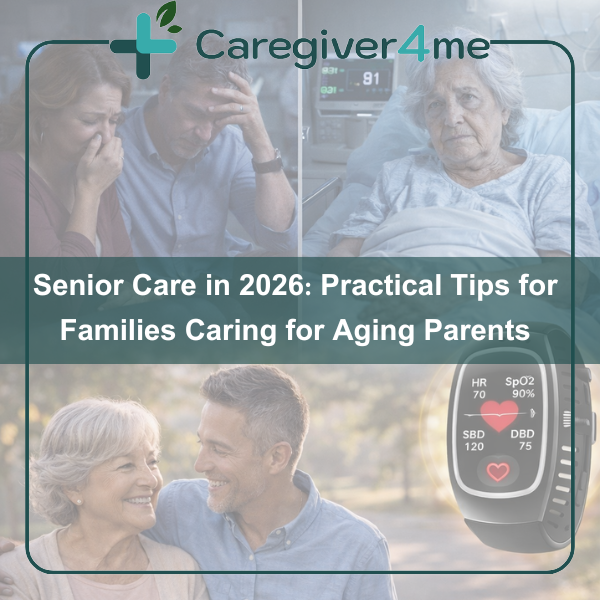
Supporting aging loved ones is one of the most meaningful commitments a family can make and one of the most demanding. As seniors strive to remain independent, families often find themselves juggling work, personal responsibilities, and the ongoing worry about safety, especially if a loved one lives alone.
More than 7 million Canadians are now caring for an aging parent or relative, often balancing full-time responsibilities while navigating the complexity of senior safety at home (Statistics Canada, 2024). With longer lifespans and increased chronic conditions, families are relying more on smart tools to protect their loved ones. And one tool that’s rising to the top? Medical alarms for seniors.
At Caregiver4Me, we believe safety shouldn’t come at the cost of independence. With today’s technology from smart watches with fall detection to discreet wearable emergency buttons families can stay connected and confident without intruding on a senior’s privacy or autonomy.
Why Medical Alarms for Seniors Matter More Than Ever
As seniors age, the risk of falls, mobility issues, and sudden health episodes increases. In fact, one in three Canadians over 65 will experience a fall this year. Yet, what seniors want most is the ability to live at home, on their own terms.
A 2025 National Institute on Aging report found that over 90% of Canadians aged 65+ want to age in place. But families often worry about emergencies, missed medications, or a parent being unable to reach help when they need it most.
That’s where medical alerts for seniors play a transformative role: they bridge the gap between safety and independence.
Five Ways Medical Alarms Support Independent Living
1. Fast Emergency Response Without Sacrificing Independence
Medical alarms ensure that seniors can get help instantly, not minutes or hours later. Quick response matters: studies show that receiving help within 1 hour of a fall reduces complications by up to 80%. Whether it’s a fall, dizziness, confusion, or another emergency, a wearable alert system puts assistance just a button-press (or automatic detection) away.
Today’s devices are nothing like the bulky pendants of the past. Smartwatches with fall detection, GPS tracking, and two-way communication offer both practicality and dignity. Seniors get peace of mind without feeling “tagged,” and families get reassurance without hovering.
2. Advanced Fall Detection Saves Critical Time
Falls are the leading cause of injury-related hospitalizations in seniors, leading to over 152,000 emergency room visits every year in Canada. Modern medical alarms use smart sensors and motion analytics to detect hard falls even when a senior can’t press a button.
Some of today’s medical alert watches automatically call emergency contacts or a 24/7 monitoring centre within seconds. That rapid response can dramatically reduce complications from undetected falls.
3. Support for Chronic Conditions and Daily Health Needs
Many seniors manage multiple chronic conditions: diabetes, heart disease, arthritis, or hypertension. Over 65% of seniors manage at least two chronic conditions simultaneously.
- Heart rate monitoring
- Step counters
- Medication reminders
- GPS location for wandering risks
Remote monitoring tools have been shown to reduce hospital visits by up to 25% (Frontiers in Public Health). This makes medical alarms not just reactive, but preventive.
4. Reducing Loneliness Through Connection
Medical alerts for seniors aren’t only about emergencies; they’re also about connection. Some smart devices encourage daily wellness check-ins, allow families to communicate easily, and reassure seniors that help is always nearby.
Loneliness has been linked to a 60% higher risk of depression and poorer overall health outcomes (CMHA). Knowing someone is “digitally present” eases emotional burdens for both seniors and caregivers.
5. Giving Families Confidence and a Clear Plan
Medical alarms help families establish a coordinated safety plan:
- Who gets alerted first?
- Which hospital or medical team should be contacted?
- What medications or conditions need to be considered?
This structure empowers seniors to stay independent while ensuring their loved ones can respond quickly and appropriately.
Planning ahead doesn’t remove the unknowns but it makes families stronger, calmer, and better prepared.
Today’s Medical Alert Watches: Safety Meets Style
One of the biggest concerns seniors once had about medical alarms was the stigma. Devices felt clinical, bulky, and obvious.
But technology has changed dramatically.
Many medical alert watches on the market today look just like everyday smartwatches. They’re sleek, comfortable, discreet, and designed with seniors in mind. Features often include:
- Automatic fall detection
- GPS location tracking
- Emergency SOS buttons
- Two-way calling
- Daily reminders for hydration, medication, and activity
This blend of elegance and safety lets seniors wear a device proudly not reluctantly.
The Heart of Safety: Confidence, Not Restriction
At the core of senior care lies a simple truth: safety should feel empowering, not limiting. Medical alarms for seniors allow families to extend support without overshadowing independence. They create a balance between technology and compassion, ensuring aging loved ones feel protected, respected, and connected.
As Canada moves into 2025 and beyond, families are adopting smarter, more proactive approaches to home care. And with modern tools like medical alert watches, seniors can enjoy the freedom they want with the safety they deserve.
At Caregiver4Me, we’re committed to helping families build safer, stronger, and more connected home environments because being there for your loved ones is more than responsibility. It’s love in action.
To learn more about medical alerts, senior safety, and home support resources, visit Caregiver4Me.ca.
References
- Statistics Canada (2024). Caregiving in Canada: The Family Impact Report.
- Statistics Canada (2024). Aging Population and Life Expectancy in Canada.
- Public Health Agency of Canada (2024). Falls Among Seniors: Key Injury Prevention Insights.
- National Institute on Aging (2025). Aging in Place Trends and Preferences Among Older Canadians.
- Frontiers in Public Health (2024). Impact of Remote Patient Monitoring on Hospitalization Rates.
- Canadian Mental Health Association (2024). Loneliness, Isolation, and Mental Health Risks in Seniors.
- Canadian Institute for Health Information (CIHI) (2024). Emergency Department Visits and Injury Statistics for Older Adults.
- Government of Canada (2024). Chronic Disease Management Statistics in Older Adults.
- Health Canada (2024). Wearable Technology Adoption and Digital Health Trends in Canada.