




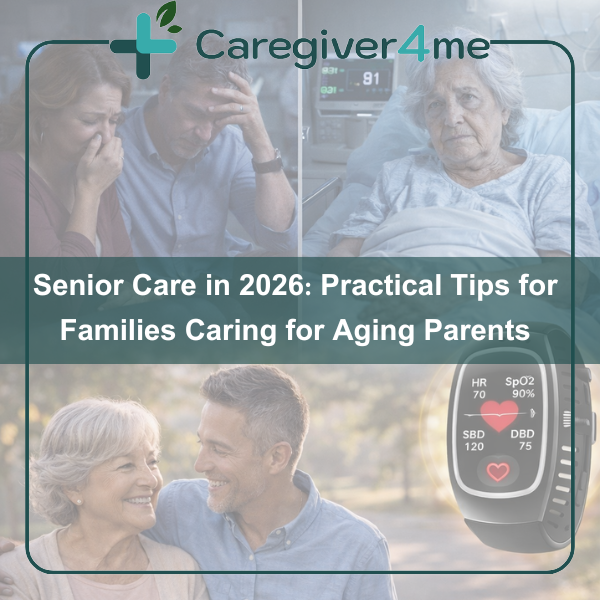
As Canada’s senior population continues to grow, families are increasingly turning to devices that provide medical alerts for seniors as a way to support safety without sacrificing independence. In 2026, these systems have evolved far beyond traditional panic buttons. Today’s smartwatch-based solutions combine emergency response with continuous health monitoring, making them an essential tool for older adults living independently and for families supporting them from a distance.
How Medical Alerts for Seniors Support Safety Today
Modern medical alert systems are designed to provide immediate assistance during emergencies such as falls, sudden illness, or disorientation. These devices help older adults quickly connect with caregivers or emergency responders, ensuring support is available when it matters most.
According to the U.S. National Institute on Aging, wearable alert technology allows seniors to access help more rapidly, which can reduce the risk of complications after a fall or other medical event (https://www.nia.nih.gov/health/falls-and-falls-prevention/falls-and-fractures-older-adults-causes-and-prevention).
Unlike older systems that rely on landlines or fixed base stations, smartwatch-based alerts travel with the user. This mobility is a key reason medical alerts for seniors are increasingly delivered through wearable technology rather than stationary devices.
Why Smartwatches Are Replacing Traditional Medical Alerts
The shift toward wearable medical alerts reflects broader changes in senior care and digital health. Modern devices often include multiple safety and monitoring features that improve both response time and caregiver confidence. According to AARP, today’s systems commonly offer:
- Automatic fall detection
- GPS location tracking
- Two-way voice communication
- Mobile connectivity beyond the home
(https://www.aarp.org/caregiving/home-care/medic-alert-systems-options/).
For families evaluating options, a smart watch with blood pressure and heart rate monitor offers more than emergency protection. It provides daily health insights that help caregivers detect changes early, before a situation becomes critical.
Health Monitoring Beyond Emergencies
One of the most significant benefits of smartwatch-based alerts is continuous health tracking. Devices can monitor heart rate, activity levels, sleep patterns, and in some cases blood pressure trends. While wearable blood pressure readings are not a replacement for clinical measurements, they can help identify patterns that should be discussed with healthcare professionals.
Research from the Mayo Clinic suggests that wearable health technology may improve early detection of irregular heart rhythms and support better long-term management of chronic conditions.
For seniors managing hypertension, diabetes, or cardiovascular disease, these insights help caregivers intervene sooner and reduce the risk of emergencies.
Falls, Independence, and Peace of Mind
Falls remain one of the most significant health risks for older adults. According to the National Council on Aging, one in four older adults experiences a fall each year, often leading to injury, hospitalization, or loss of independence (https://www.ncoa.org/article/get-the-facts-on-falls-prevention/).
Medical alert smartwatches equipped with automatic fall detection can notify caregivers or emergency services even if the wearer is unable to press a button. For families balancing work, distance, and caregiving responsibilities, senior fall alert systems provide reassurance without the need for constant physical supervision.
Cost and Value of Smartwatch Medical Alerts in 2026
Compared to traditional systems that require installation fees and monthly contracts, smartwatch-based medical alerts often deliver greater long-term value. Consumer Reports notes that wearable medical alert devices typically provide broader functionality—such as mobility and health tracking—while remaining competitively priced over time (https://www.consumerreports.org/health/medical-alert-systems/).
When selecting a medical alert system for seniors, families should consider battery life, ease of use, and reliability just as carefully as cost.
Caregiver4Me Smartwatches: A Practical Solution
Caregiver4Me offers smartwatches designed specifically to support senior safety and caregiver peace of mind. These devices integrate emergency alerts, fall detection, GPS tracking, and health monitoring into one wearable solution.
Know more about Caregiver4me smartwatch.
By combining multiple safety features into a single device, Caregiver4Me smartwatches align with the expectations families now have for medical alerts for seniors in 2026.
Final Thoughts
Medical alert technology has entered a new phase. Smartwatches now provide both emergency protection and meaningful health insights, supporting seniors who want to age in place safely. For families exploring medical alerts for seniors, choosing a device that balances independence, monitoring, and rapid response can make a lasting difference. A well-designed smart watch with blood pressure and heart rate monitor offers confidence not just for seniors, but for everyone who cares about them.
Sources
- National Institute on Aging — Falls and Older Adults
https://www.nia.nih.gov/health/falls-and-falls-prevention/falls-and-older-adults - AARP — Medical Alert Systems Options
https://www.aarp.org/caregiving/home-care/medic-alert-systems-options/ - Mayo Clinic — Heart Rate Monitoring
https://www.mayoclinic.org/healthy-lifestyle/fitness/in-depth/heart-rate-monitor/art-20046887 - National Council on Aging — Falls Prevention Facts
https://www.ncoa.org/article/get-the-facts-on-falls-prevention/ - Consumer Reports — Medical Alert Systems
https://www.consumerreports.org/health/medical-alert-systems/ - National Council on Aging — Medical Alert Systems With Fall Detection
https://www.ncoa.org/product-resources/medical-alert-systems/best-medical-alert-systems-with-fall-detection/