




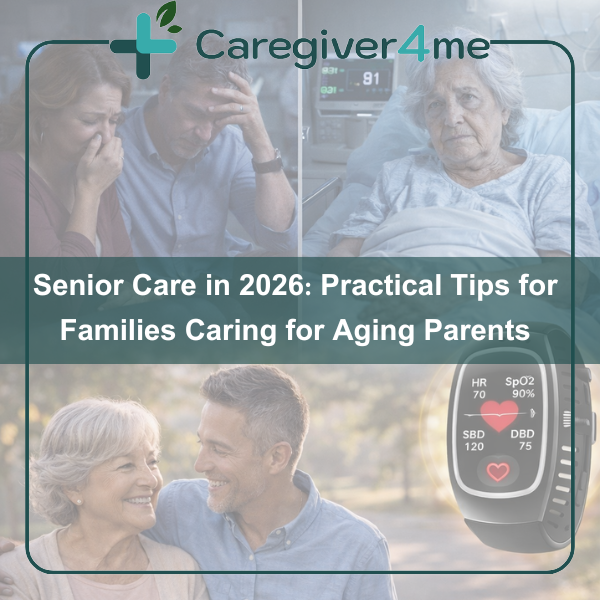
As we age, our balance and physical abilities naturally decline, making falls one of the leading dangers for elderly individuals. According to the World Health Organization, over 684,000 seniors die from falls every year, and someone is rushed to the emergency room due to a fall every 11 seconds. These alarming statistics highlight the urgent need to equip aging loved ones with reliable senior fall alert systems.
This comprehensive guide will walk you through how fall detection devices work, how they compare, and how one device recently helped save a life.
1. How Senior Fall Alert Technology Works
Accelerometers and Fall Detection
At the core of any reliable fall alert device is an accelerometer sensor. This tiny component detects changes in movement and orientation. When a senior is walking or moving normally, the accelerometer tracks stable movement patterns. During a fall, the body experiences sudden acceleration and abnormal angle changes, which the sensor immediately detects.
Most fall alert devices use three-axis accelerometers to monitor motion in X, Y, and Z directions. When the system detects a rapid shift exceeding a preset threshold, it flags a potential fall. Advanced algorithms then analyze the data to avoid false alarms caused by sitting quickly or sudden stops.
Emergency Response Workflow
Once a fall is confirmed, the device triggers an automatic response:
- A local alarm sounds to alert nearby people.
- If the senior does not manually cancel the alert within 30–60 seconds, the device sends a notification to preset emergency contacts.
- If GPS is available, the alert includes the senior’s exact location.
- Some advanced devices connect to 24/7 monitoring centers where responders assist through built-in audio.
This automated process ensures fast emergency action during critical moments. For more information, please refer to this article.
2. Comparing In-Home vs. Wearable Fall Alert Devices
In-Home Systems (e.g., LifeAlert)
These systems usually include a base unit and a panic button for seniors. The base station connects via landline or Wi-Fi, while the button can be placed in high-risk areas like the bathroom or bedside.
- Pros: Strong signal within the home, no need for charging.
- Cons: Only works inside the coverage range; not suitable for active seniors who frequently go outside.
Wearable Devices (e.g., Caregiver4Me Watch)
These devices include smartwatches, pendants, or wristbands with fall detection capabilities. Many support Bluetooth or 4G/5G, and some even offer GPS tracking for elderly individuals.
- Pros: Portable, ideal for indoor and outdoor use.
- Cons: Must be regularly charged—if forgotten, the device may fail in an emergency.
3. Water Resistance & False Alarm Prevention
Waterproofing
Most falls happen in the bathroom. That’s why medical alert devices for elderly must be waterproof.
- In-home systems typically don’t need high waterproof ratings.
- Wearables, however, should have at least IPX6 or IPX7 protection, ensuring functionality even if dropped in water or worn in the shower.
False Alarm Prevention
To reduce unnecessary alerts:
- In-home panic buttons require firm pressure and are designed to avoid accidental triggers.
- Wearable devices use sensor algorithms and confirmation prompts. If a fall is suspected, the device vibrates, allowing the wearer to cancel if it’s a false alarm.
4. Real-Life Story: How Caregiver4Me Watch Saved a Life
Mrs. Zhang, age 78, lives alone in the suburbs. One morning, she slipped in the bathroom and hit her head. She lost consciousness instantly. Thankfully, she was wearing the Caregiver4Me Watch, a wearable fall detection device. It detected the fall, sounded an alert, and—when not canceled—automatically notified her son with location details.
Her son immediately called a neighbor and emergency services. The neighbor found Mrs. Zhang unconscious, and paramedics arrived just in time. She survived, thanks to the quick response enabled by the fall alert system.
“This tiny device saved my mother’s life,” said Mr. Li. “I’m so grateful I chose Caregiver4Me.”
Final Thoughts: Choosing the Right Senior Fall Alert Device
Fall detection isn’t a luxury—it’s a necessity. With so many medical alert devices on the market, families must consider:
- The senior’s mobility and environment
- Whether 24/7 monitoring or GPS is required
- The level of water resistance and battery needs
- Whether it’s a wearable emergency panic button or an in-home system
By understanding the technology, comparing options, and prioritizing practical needs, you can help your loved one stay safe, independent, and protected—at home or on the go.